k-art portal
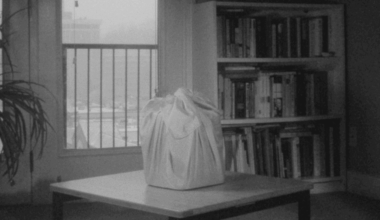
The German language has a word for the theater we build inside our minds: Kopfkino. Literally translated as “head cinema,” it defines the memories we replay on a loop, reframing scenes, shifting perspectives, and re-editing daily interactions as we go. More than a psychological quirk, for Berlin- and Seoul-based interdisciplinary duo Jae-Pyung Park and Jongbin Park, Kopfkino is a survival mechanism.
As Asian migrants navigating the subtle, often ambiguous undercurrents of life in Berlin, Jae-Pyung and Jongbin found themselves playing back everyday micro-aggressions and institutional encounters. Many of us have been there. Was that interaction genuine discrimination, or something lost in translation? Was it exclusion, or simply cultural differences at work?
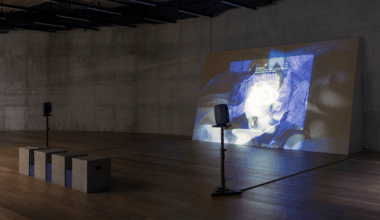
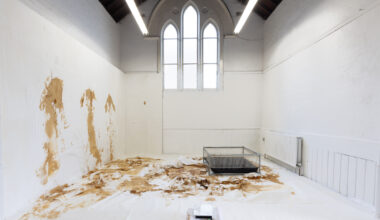
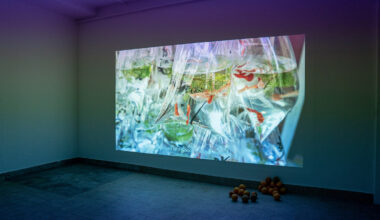
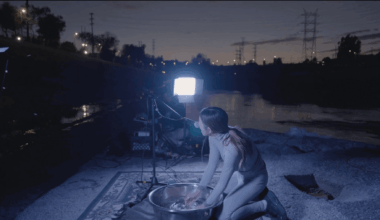
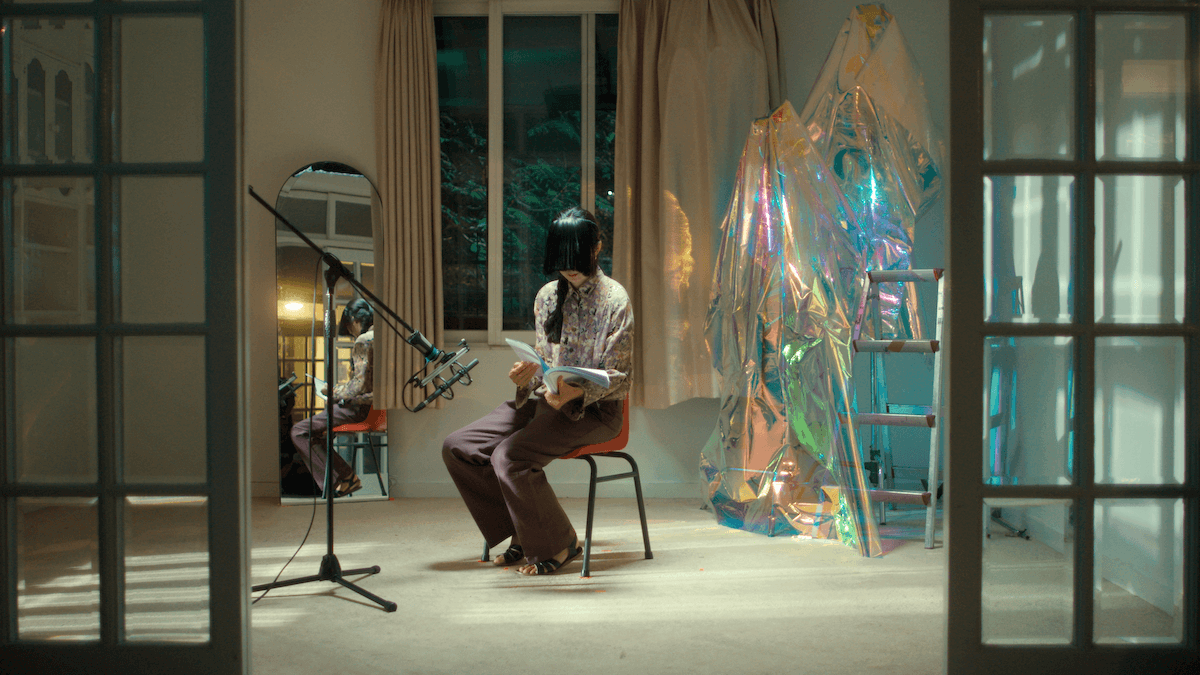
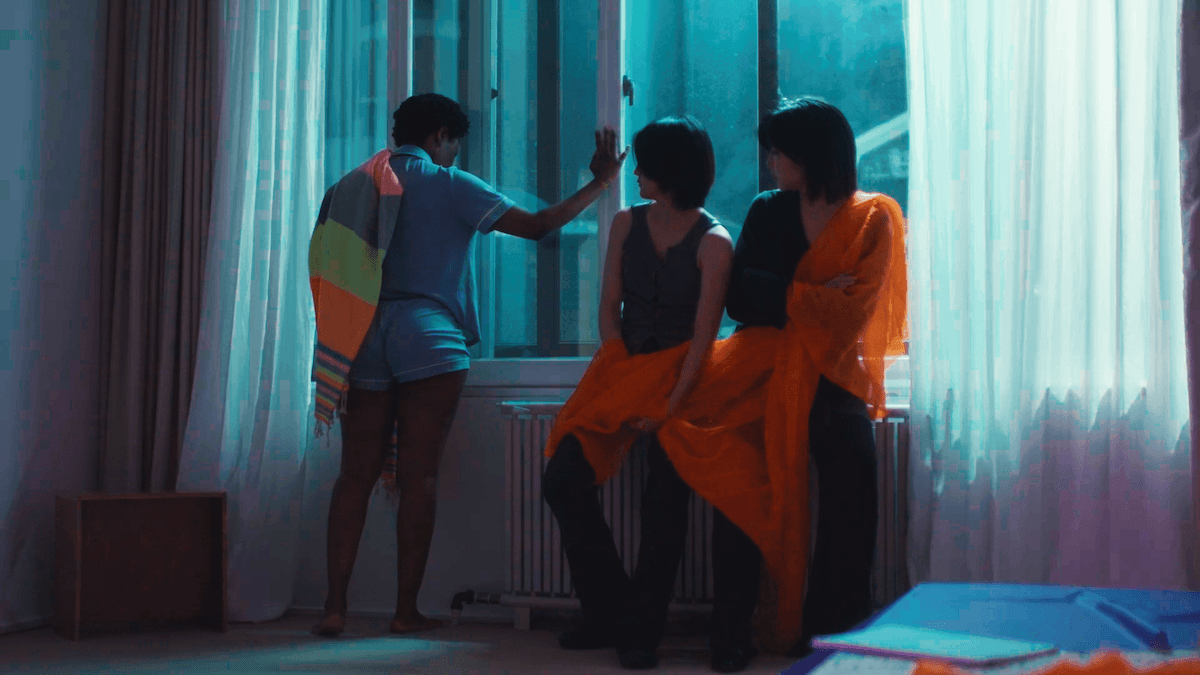
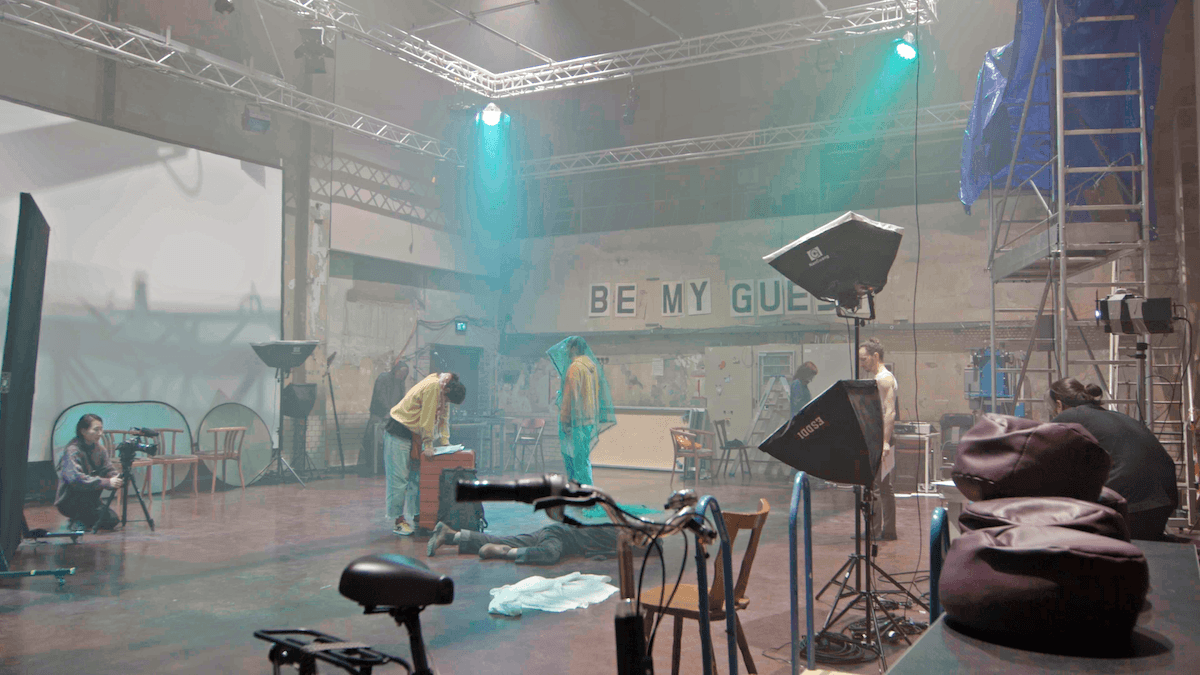
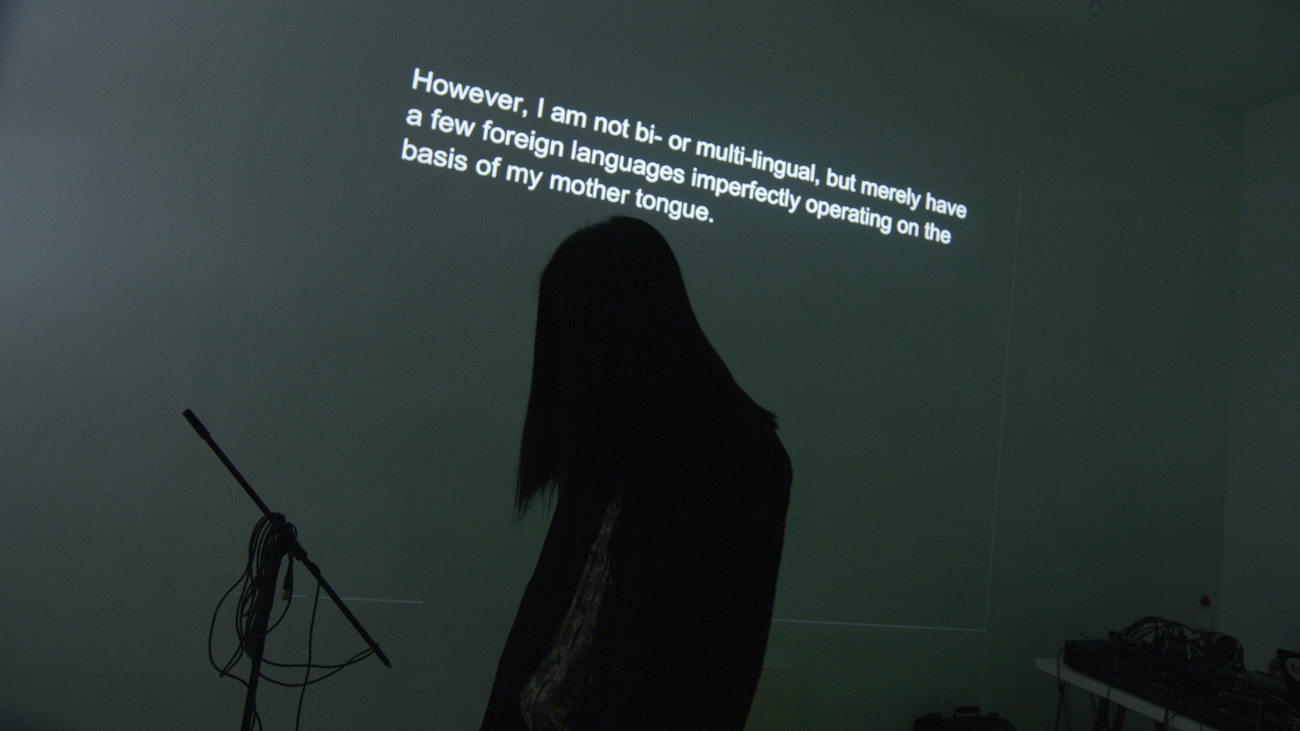
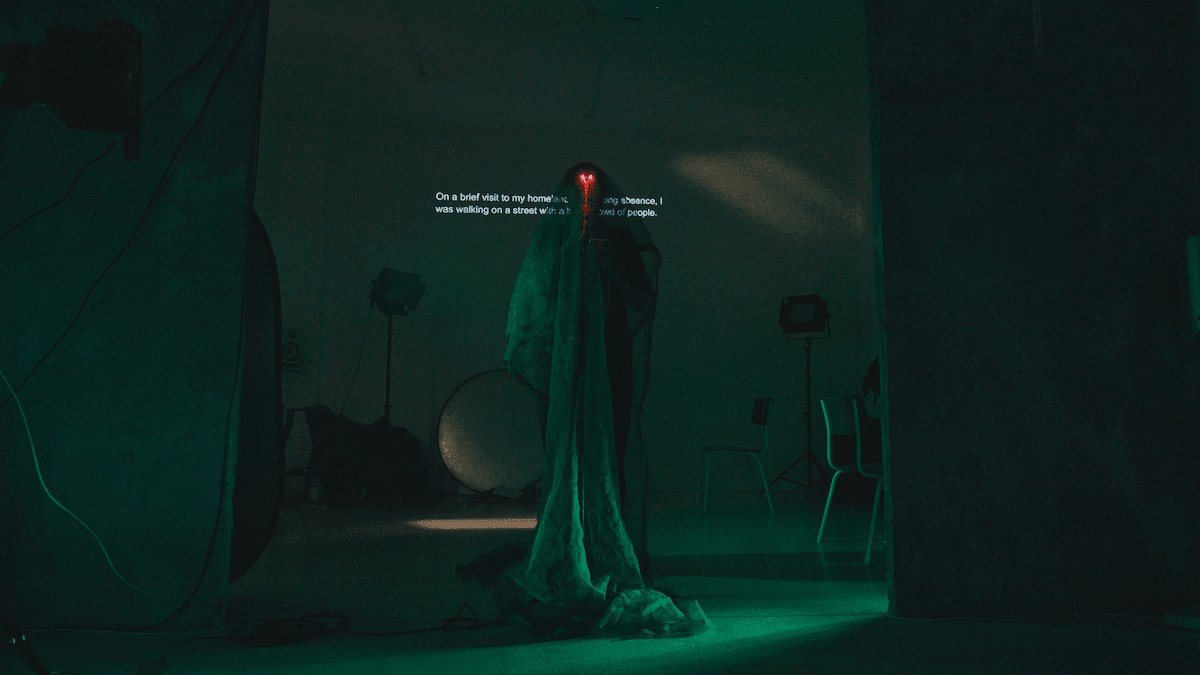
This agonizing internal editing process was the catalyst for Be My Guest, a performative filming project staged in Berlin (2024) and Seoul (2025). By turning the act of filmmaking into a live performance, the duo expands their ongoing initiative, Lost Theater, shattering traditional stage boundaries to explore how identity is constructed, consumed, and marginalized in transit.
The title Be My Guest carries a sharp, deceptive ambivalence. It mimics the polite language of welcome, while unmasking a deeply embedded hierarchy altogether.
To be a guest is to exist on someone else’s terms. You are invited with an unassuming yet loaded clause: “Wenn du Lust hast” (If you feel like it). You are permitted to stay, but only temporarily. To unlock the door and become a true member of the community requires constant justification. Within this framework, the host retains absolute sovereignty, while the guest’s self-determination slowly erodes.
Jae-Pyung and Jongbin place the migrant body directly into this challenging state of in-betweenness, a liminal space where one never fully belongs to the host country, nor entirely to the homeland left behind.
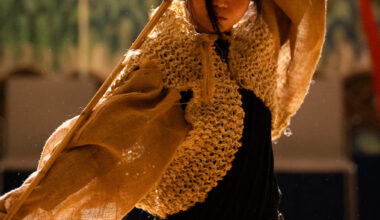
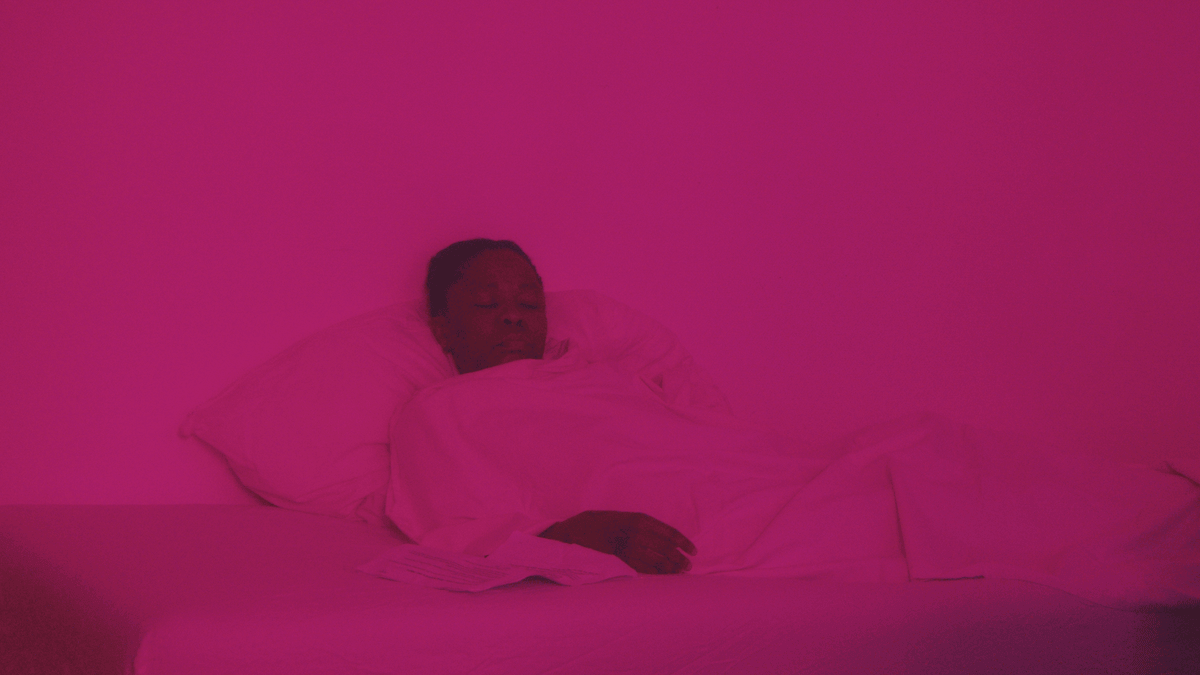
On their unique film set, these layers collide. The performers occupy a dual reality: they are simultaneously playing the role of fictional characters and expressing their authentic selves as migrants. Binding these two worlds together is a waiting game, played out in an arena defined by suspension between takes, within a migratory existence determined by deferred status, pending approvals, and conditional belonging.
In traditional cinema, a flawless final cut demands absolute control. Technical glitches, forgotten lines, and unexpected intruders are treated as waste; errors to be purged in the name of narrative coherence and clean consumption.
Be My Guest actively rebels against this sanitization. During the performance, disruptions were left bare, and audiences were rendered disoriented, unable to distinguish between a scripted plot and real-world engagements.
By scrutinizing what remains on the cutting room floor, Jae-Pyung and Jongbin draw a brilliant parallel to how society handles its own “unwanted guests.” The cinematic model, much like the social one, selects what stories sit at the center and what bodies are pushed to the margins. They mirror the socially invisible individuals whose next steps are dictated by systems beyond their own agency.
For this duo, performance is not merely a path toward film, nor is film a clear-cut documentation of a live event. Instead, the two mediums continue to intersect and feed one another. This philosophy culminated in Be-Cut: Deleted / Existing, an experimental feature film constructed from the very scenes that would normally be abandoned in the process.
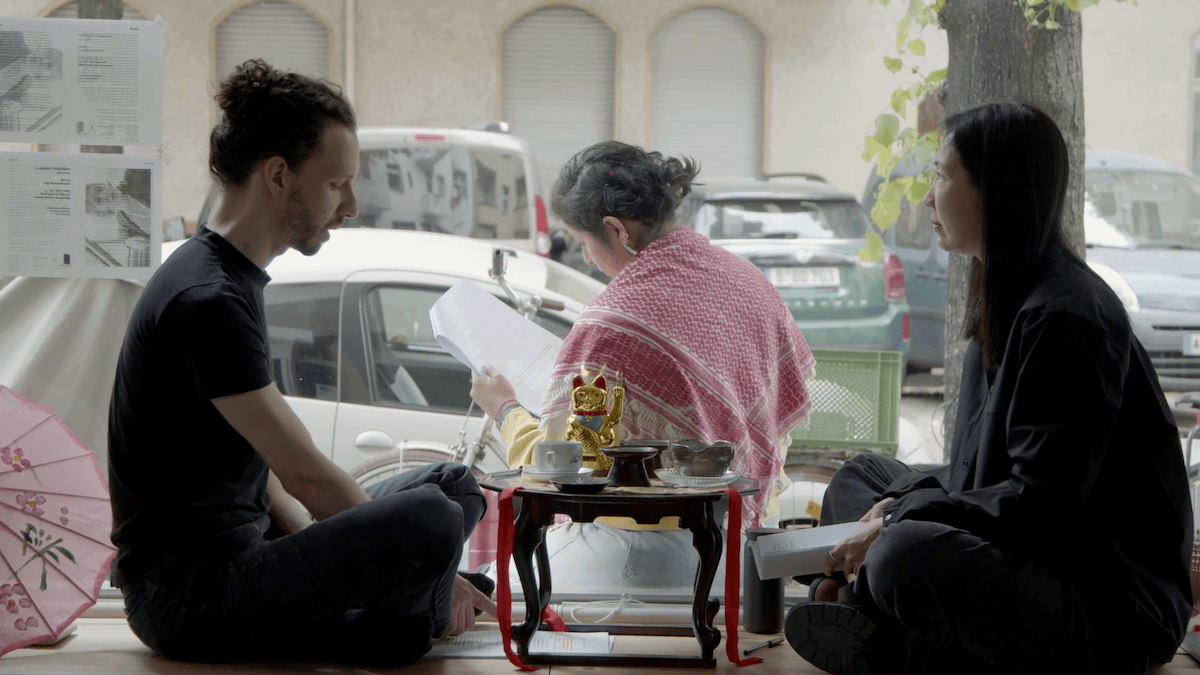
Ultimately, Be My Guest opens up a collective inquiry. It asks “How, to whom, in what way, and in what language can I speak about the unwanted guest?” Through the practice of collective reading on set, and inside the fleeting community of the performance, the audience ceases to be bystanders. Rather, they become active witnesses, tasked with carrying the stories of marginalized voices back over the threshold, and into the real world from whence they were silenced.
GALLERY
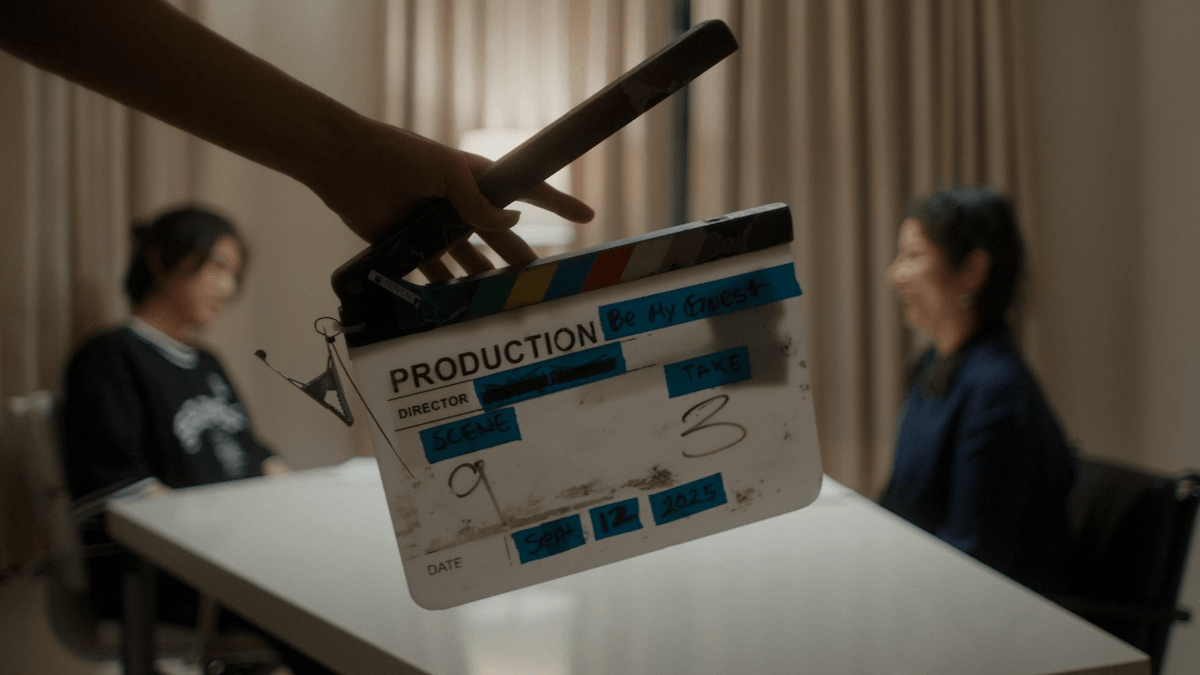
Be-Cut: Deleted/Existing (2026) – TRAILER
CREDITS
- PERFORMANCE
- MUSIC & SOUND DESIGN
- DIRECTOR OF PHOTOGRAPHY & LIGHTING
- CAMERA & LIGHTS ASSISTANT
- EDITORIAL DESIGN
- STAGE DIRECTOR
- SCRIPT, CONCEPT, INSTALLATION, & DIRECTION
- ORGANIZATION
- KEY
Jee-Ae Lim, Maricarmen Gutiérrez Castro, Mmakgosi Kgabi, Alexey Kokhanov*, Jacob Wolf Lefton*
Jimmy Sert
Greta Markurt
Hyungkwon Paul Phang**
Jungyun Kim**
Jeong-hyun Yang**
Jongbin Park, Jae-Pyung Park
Organized by Lost Theater
Co-organized by Seoul Marginal Theatre Festival**
Supported by Seoul Metropolitan Government, Seoul Foundation for Arts and Culture**
*Berlin only
**Seoul only