k-art portal
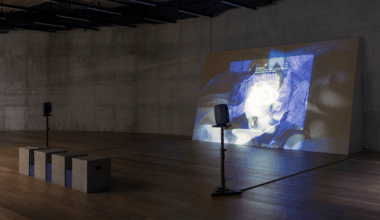
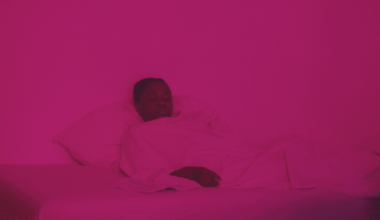
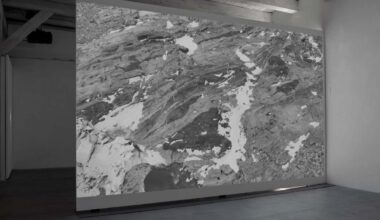
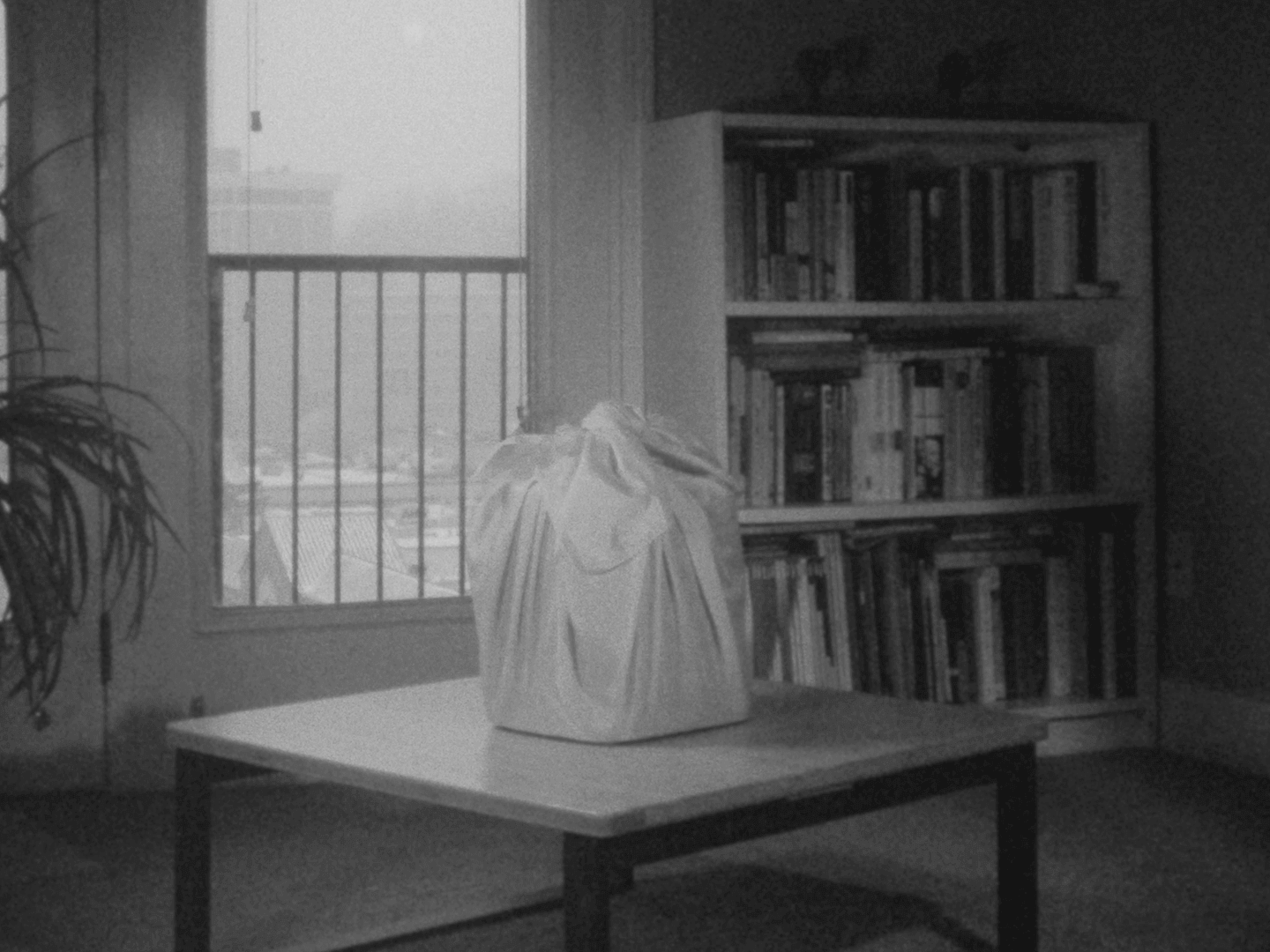
Heehyun Choi’s A Dark Room (2025) is a black-and-white 16mm and Super 8 to digital silent film that introduces the viewer to a female protagonist as she encounters the camera obscura, a phenomenon in which an image of the outside world is projected through a small hole in a darkened room. The work transports us back to the earliest moments of cinema’s formation, a provisional state of profound experimental potential that existed before the medium had been stabilized into a codified language of rules and narrative grammar.
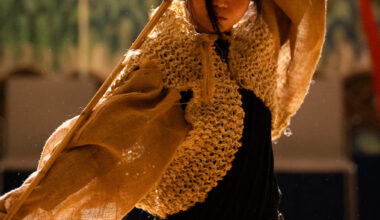
In the past, camera obscura was employed by artists as a sketching aid ideal for rendering perspective. Upon experiencing it for the first time, Korean philosopher and poet Chông Yagyong (1762 – 1836) likened the projected image to a landscape painting in his essay Chil Shil Gwan Hwa Seol (On Viewing Paintings from the Dark Chamber). For Heehyun, textual references from this essay establish a Joseon context, alluding to a time when women’s daily lives were largely confined to interior domestic spaces. Within these enclosed spatial boundaries, however, women fostered the development of a rich tradition of creative practices, cultivating and transmitting unique forms of knowledge and technique. In many respects, our protagonist fills her darkened room with meaning as landscapes of empowerment unfold through the water she pours and across the blanket she is sewing. At the intersection of the mechanical and the poetic, Heehyun exudes a sense of renewed expansiveness that refuses to align with the spectacle of mass spectatorship. She floats an alternative historical imaginary; a form of cinema that may well have emerged within the rooms of Korean women a century ago.
A Dark Room epitomizes Heehyun’s desire to confront dominant cinematic language and conventions established by Hollywood and its global derivatives. It constitutes a bold intervention, subverting the structured expectations of narrative coherence, character identification, and explanatory clarity, all the while challenging assumptions embedded in the making and viewing of lens-based media, as well as society as a whole.
For inquiries regarding the full version of the work, please contact: [email protected]