k-art in berlin
Drift across borders with Hara Shin.
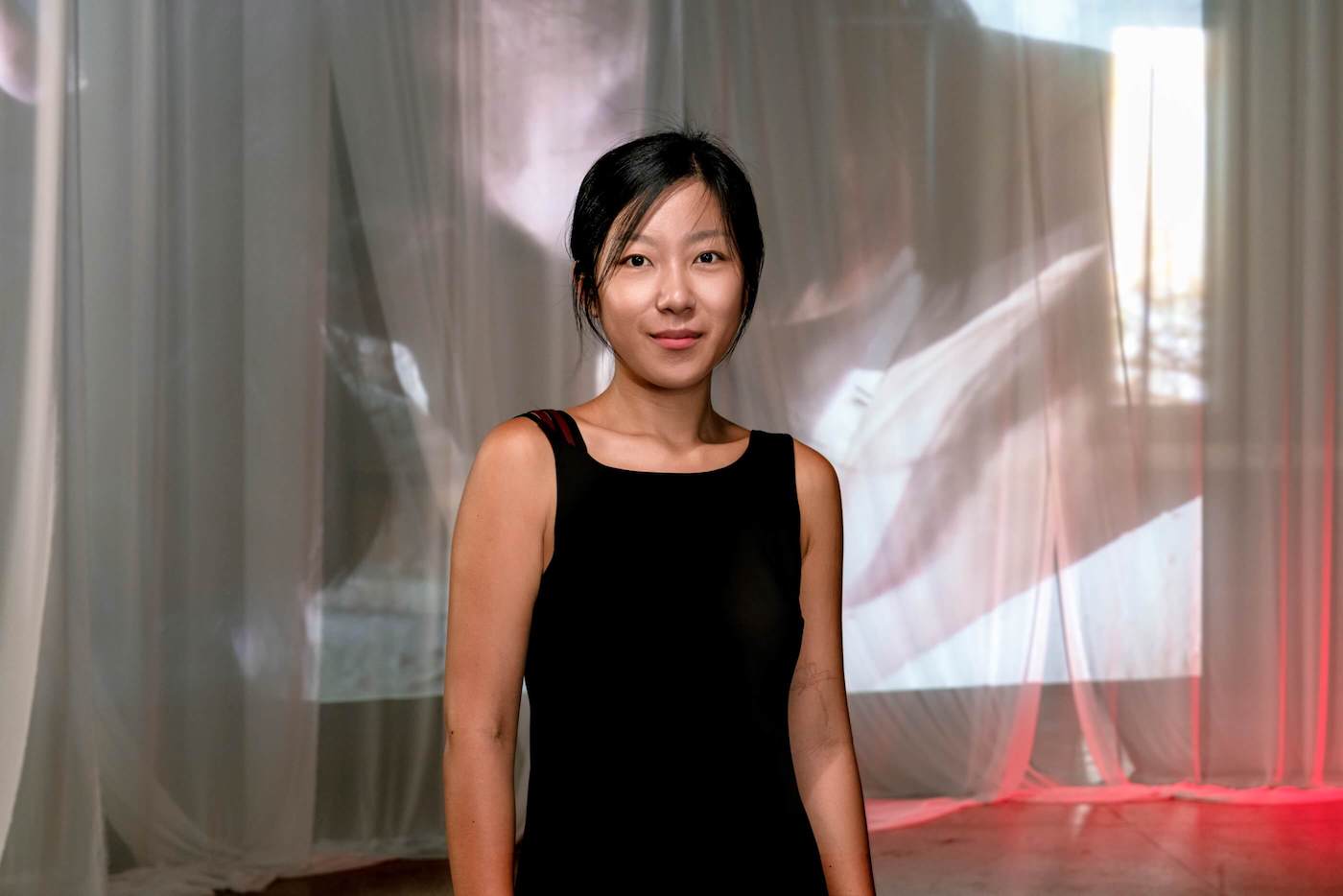
Though Hara Shin rejects the notion of utopia, she was met with an air of openness that felt unfamiliar yet absolutely necessary when she arrived in Berlin. The city offered the diversity and friction she had long been craving. Hara intended to stick around for six months, a ballpark figure that has since sprawled unexpectedly into a decade to remember.
Migration, as Hara describes it, is anything but romantic. It is sustained by paperwork, losses in translation, compromise, and the daily need to thrive precariously between systems. The relationships she formed in Berlin, alongside a sense of transnational contradiction, have proved imperfectly productive with time. Gradually, the instability of living between cultures stopped feeling like a temporary condition, manifesting as an entire mode of being and thinking instead.
Hara refuses to construct singular narratives or stable points of view: producing constellations in which fragments coexist and temporalities overlap at will. In her work, documentary traces intersect with myth and embodied memory, while the act of comprehension expands into quirky points of contention where meaning continuously shifts and amazes.
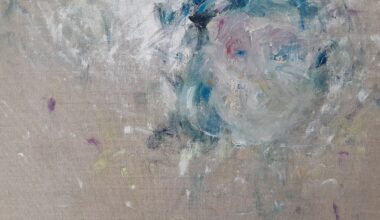
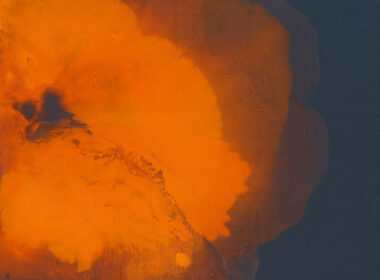
Hara’s practice is research-based and interdisciplinary, unfolding through video, installation, text, sound, and performance. She often begins with a site or material condition that carries historical weight, experimenting with technique and composition to elicit memories as they pulse eternally through physical space. She works with plants, water, scent, latex, bioplastic, and organic matter that fluctuates in fits and spurts, responding to atmospheric forces such as humidity and light, and resisting the illusion of permanence throughout.
Monumental Ether, Bodies (2024) is a series very much informed by Hara’s years in Berlin. In it, she connects sites in Szczecin, Lisbon, and Seoul, each marked by colonial, biopolitical, and anthropocentric violence. In an act of remembrance, she rejects the urge to compartmentalize or isolate these residues, treating them like recurring energies that circulate through soil, water, air, and infrastructure.
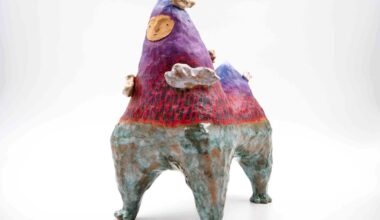
Central to the series is MOANA, a mobile witness capable of carrying scattered memories without collapsing them into a single, coherent sense of self. Like Hara, MOANA must navigate an array of languages, symbolic codes, and temporalities. She does not divide the world into static oppositions, nor does she resolve conflicts for the comfort of us viewers. Admirably and most powerfully of all, she opens creative terrains where instability can be felt as a shared condition; one that continues to shape human lives, legacies, and ecosystems across borders.