k-art in berlin
Disturb the silence with Jane Hwang.
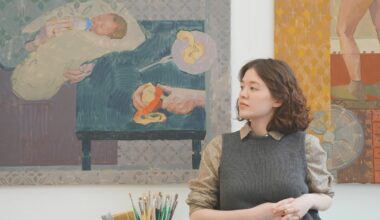
After completing her studies in the United States, Jane Hwang returned to Korea and began working in the art world as a curator and arts manager. The workload was intense, the structure rigid, and the distance from her own artistic practice grew more pronounced with each passing day. At an impasse, Berlin entered the conversation as the elusive third place she so desperately needed. Arriving in early summer, Jane recalls the fragrance of linden trees in bloom as it complemented the city’s more manageable tempo and scale.
Located close to the Berlin Wall Memorial, Jane experienced traces of division on a daily basis. Remnants of the wall were omnipresent, and roaming the streets meant quite literally navigating the marks of a former border zone. In this setting, she experienced how boundaries etched into the land continue to pulse, dissolve, and reappear in revised forms over time.
Jane’s practice is best described as an ongoing sojourn as opposed to a fixed trajectory, with one project leading into the next, and each strand of research opening new points of inquiry. Currently, she is working with audio recordings of Koreans who participated in the First World War, archived at Humboldt University of Berlin. Resisting closure, she approaches these materials as sites shaped by power dynamics, scrutinizing who records, who is recorded, and under what circumstances such records are preserved.
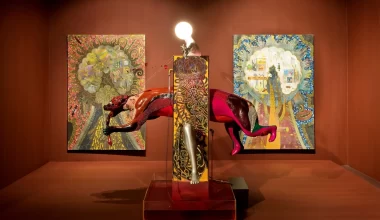
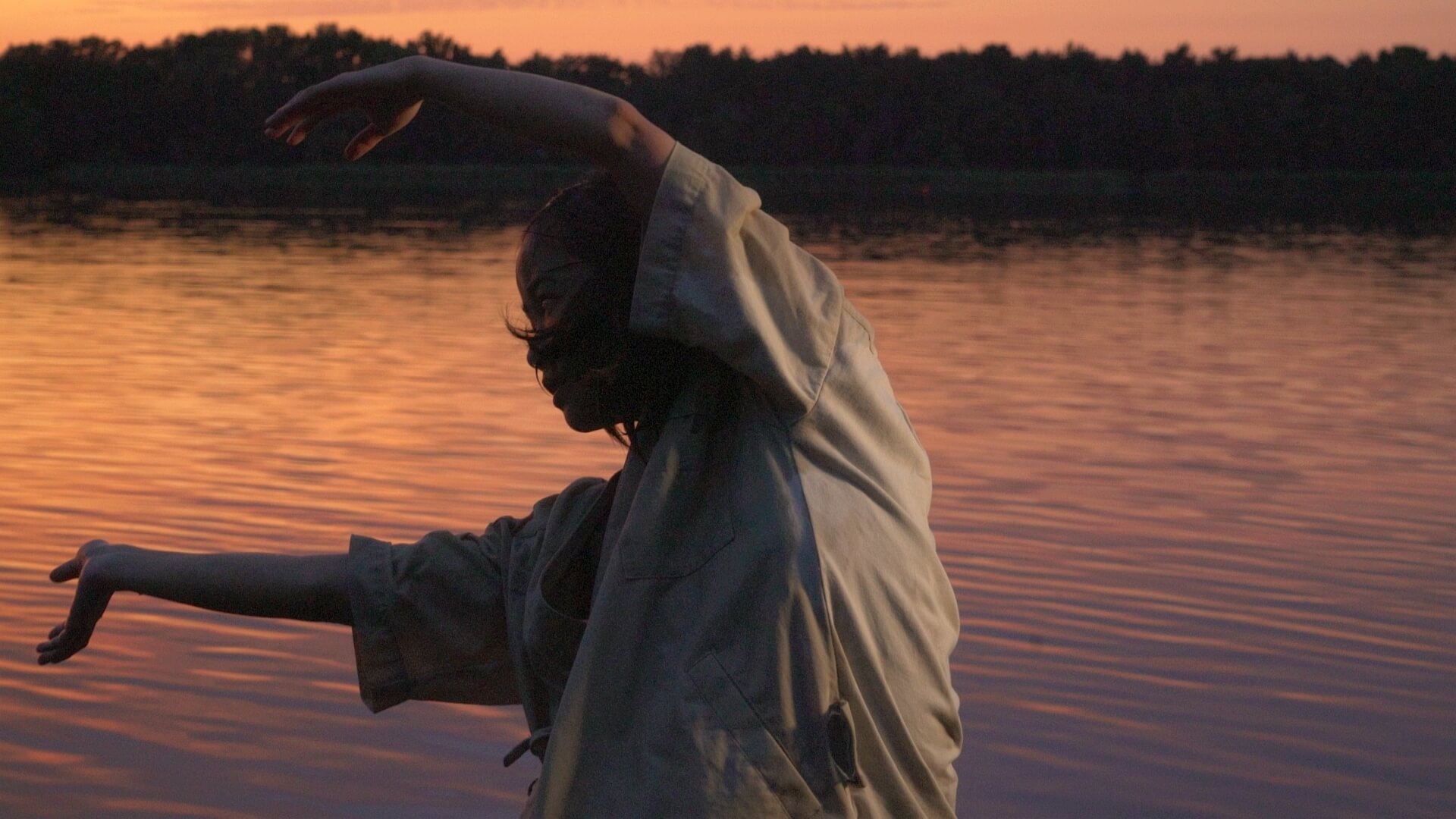
Through video, sound, and performance, she reconstructs layers of silence and absence, picking up missing pieces that have been excluded from dominant historical narratives. She then reconfigures these voids, placing them into new temporal arrangements through speculative and imaginative intervention. The body also plays a crucial role, and in a performative fashion, she engages with gestures, gazes, and subtle signs of physicality that transcend linguistic limitations. These elements, which Jane coins the “noise of the archive,” become a means of sensing forgotten or suppressed histories otherwise impossible to articulate.
For Jane, a landmark moment occurred in the making of How to (not) live a legacy? (2022-2023). Without formal funding, she relied on chance encounters, including a collaboration with an aspiring filmmaker from Syria she met at a bakery near her home. While developing a scene involving a wartime border crossing, Jane’s collaborator shared stories of displacement in a distinctly visceral manner, motivating her to reflect upon the reception of her work as well as the impact of lived realities beyond her immediate frame of reference.
The work itself was inspired by travels through Berlin with her mother, during which a long-buried memory of a relative who had crossed into North Korea during the Korean War resurfaced. On neutral soil, the pull of ideological stigma faded as if to enable Jane’s mother to speak without restraint. In transit, Jane probed a little further while recording the conversation in secret. Suddenly, the announcement for the Berlin Wall Memorial station echoed through the tram, allowing two histories of division to overlap with uncanny symmetry.
Berlin has taught Jane about the fluid imperfections of visual storytelling. It has also inspired a body of work that resists simplification, existing instead as a collection of meeting points between temporalities, memories, and place.