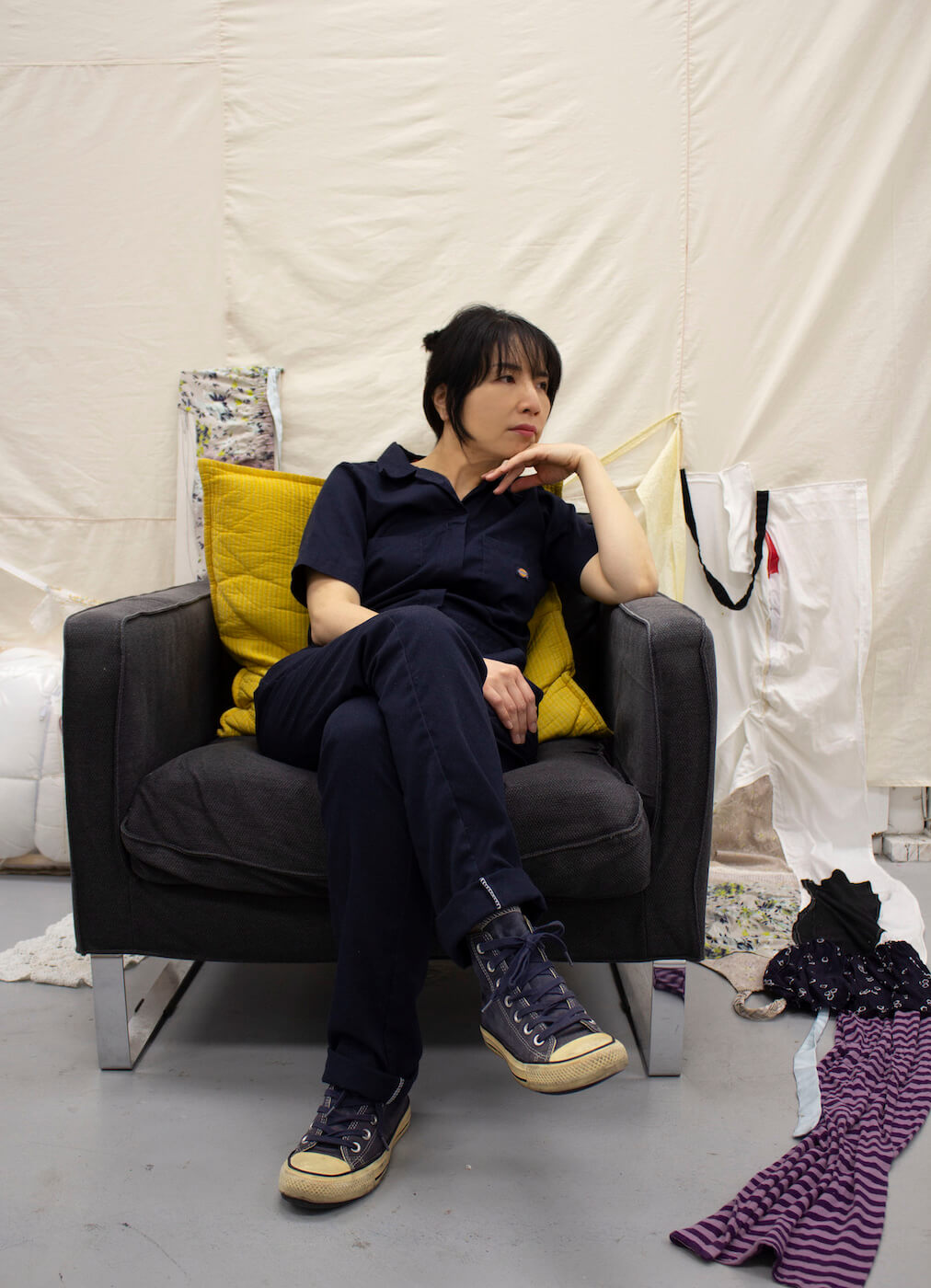
k-art in miami
What first brought you to Miami, and what were your first impressions of the city?
Born in Korea, I first came to New York to study painting at the School of Visual Arts and also attended New York University for my MA degree in painting. A few years later, I moved to Miami in pursuit of a new adventure and a fresh start
My first impressions of Miami were rather superficial, plus it was extremely hot and humid. Over the years, I have come to embrace Miami’s unique blend of nature and urbanity, not to mention its vibrant cultures, including Latin American, Caribbean and also a growing Asian American influence. Miami is well known as a vacation destination for its night life, iconic beaches and year round warm weather. However, the city has been cementing itself as a place for contemporary art well beyond the famous Art Basel week in December. Its museums, collections, residencies, galleries and artists are here all year and are part of a very lively and growing art community.
Has the city changed your artistic practice in any way?
After graduating, I unfortunately put my art practice aside for several years in order to meet life’s everyday demands. Ironically, I started to create work again when my father was diagnosed with cancer. Art became therapeutic during such a difficult time. I first began by making small drawings to refresh my creative muscles. Eventually muscle memory took over and gradually works progressed into mixed media installations combined with fabrics, collage and various forms of mark making.
Another pivotal moment in my life came unexpectedly during the Covid-19 pandemic. These emotions were intensified by the lives lost to the pandemic, gun and racial violence. Statistics show that violence against Asian-Americans has skyrocketed, fueled by the fear and blame placed on our community over Covid. Asian-American Women in particular have been the
target, with Christina Yuna Lee’s senseless killing being one of the most brutal recorded. The nature of her murder deeply affected me on a personal level. I felt unsafe and unwelcomed in America although this is my home. During this time I began to question and reflect on my identity as a multicultural and multinational person. I started to investigate memory, trauma, and the healing process in memoriam of women whose lives were cut short by violence. Representation matters and it is so very important to our community, just as important is the freedom to tell our story and to define ourselves on our own terms.


What is one moment, project, or exhibition in the city that you will never forget?
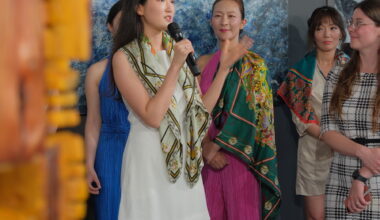
My most recent solo show, “Close to Home” was held at Dimensions Variable in
Miami. The artist’s talk left a huge impression on me. Once I shared my experience with grief and loss after losing my father, the audience began to share their experiences as well. An ordinary Saturday afternoon became such a powerful and healing moment for everyone involved. I was so very honored and humbled that people in the audience felt safe and comfortable enough to share such deeply personal experiences. I wanted to redefine the meaning of home for ourselves and reassert our identity and right to exist freely, rather than to be cast as perpetual foreigners by others. I believe grief and loss are both individual and universal emotions, and the goal of my work is to keep this conversation going, to provide the community with a platform from which to come together and share experiences and emotions that are usually kept close to the chest and in solitude.


In what ways do your Korean roots continue to shape your work while living abroad?
One notable series of works is based on the Suui, a traditional Korean hemp based burial garment, used as a gesture of love and regard for the dearly departed. Different elements of the Suui, such as string and sleeves are combined with bed sheets, pillowcases, and various textiles which reference the body and are associated with Korean burial rituals and final rites of passage. In my work, these fabrics and textiles not only carry a cultural, historical and personal significance, they are also symbols of individual and broader experiences that represent a deep-seated sense of longing and loss as immigrants in the diaspora.


How do you imagine your relationship with Miami evolving over time?
The experience of living in different cultures has certainly allowed me to reflect on views regarding the meaning of home. I have a nostalgic and emotional attachment to Korea based on childhood roots, memories and family connections. However, despite its challenges, I feel at home here in America because I have established a sense of identity, belonging and community. I believe home is where you can be your true self, feel comfortable and safe, not necessarily tied to only one place or location.