k-art in paris
an interview with beah shin
What first brought you to Paris, and what were your first impressions of the city?
I came to Paris to study. After a year as an exchange student, I thought about going to New York, but the diversity I found in French art institutions felt more inspiring. Many of my professors had studied in the U.S., so I had learned a lot from the American approach to art. I wanted to try something different and explore a new environment, and Paris gave me that chance.
Paris did not feel completely strange at first; everyone knows the Eiffel Tower, the Seine, and the Louvre. But what really fascinated me were the artists I met from Africa, Central Asia, and even rural parts of Europe. Seeing their work opened perspectives I had not encountered before and made me realize how much my own background and education had been shaped by U.S. approaches, even though geographically Korea is closer to other parts of Asia and Europe.
How would you describe the creative energy or art scene in Paris?
Paris is full of life. Artists, curators, and collectors are curious and always looking for something new. There is a real openness here and a willingness to embrace the unfamiliar. It is not about what is already famous; it is about what challenges perception and sparks new ways of seeing. That is what makes the city so vibrant and diverse artistically. Maybe this is the reason I had the chance to meet many local artists, who were very open to me as a foreigner from a country far away.


Have you collaborated with local artists, institutions, or communities?
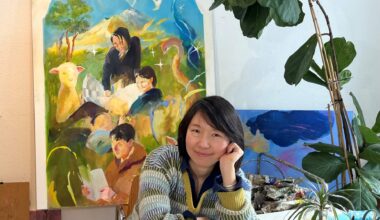
Yes, I have been fortunate enough to work with many local artists, and there is always more to come. One experience that really stands out is joining La Volonté 93, my current studio space. It started as an abandoned building, and friends invited me in.
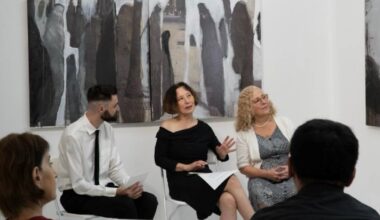
Over time, we transformed it into a recognized creative hub. Soon after I arrived, authorities noticed our use of the space, and we faced some challenges. But we explained that it was being used for cultural and community purposes, not arbitrarily, and with support from art professionals, it became officially recognized in 2021. Since then, it has hosted free exhibitions for young artists and has operated autonomously. In 2025, we held our first festival with support from the French Ministry of Culture and Artagon.
That whole process was eye-opening, reshaping how I think about collaboration and creation.


Has the city changed your artistic practice in any way?
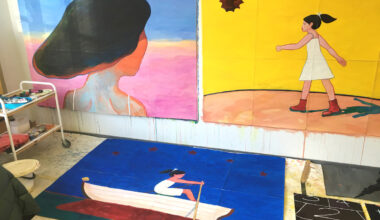
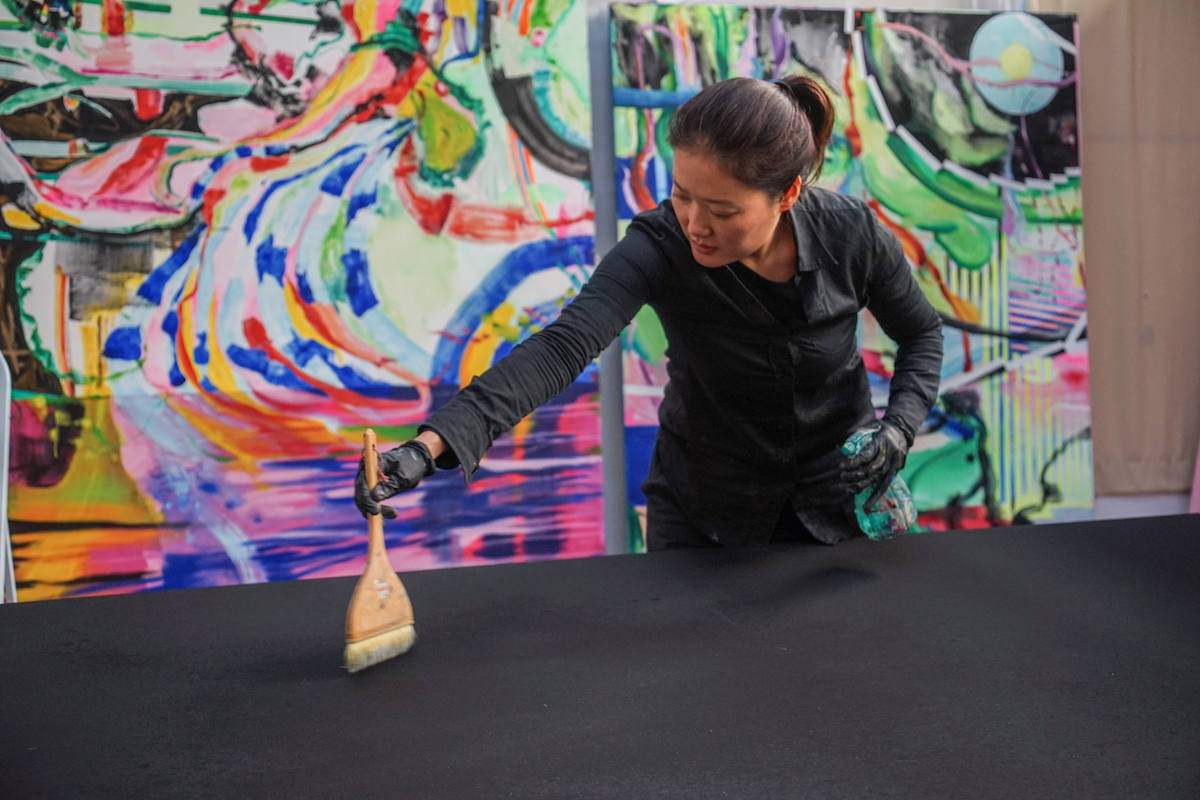
Definitely. Living in Paris gave me the freedom to approach what I learned in Korea from a new angle. The main themes of my work remain, but my materials and techniques have evolved. Here, I have access to richer research resources and meet artists from all kinds of backgrounds, which constantly brings fresh ideas. Even my knowledge of traditional Korean art, which is less known here, has taken on new forms through dialogue and collaboration.
What is one moment, project, or exhibition in the city that you will never forget?
It is hard to pick just one. Three experiences really stand out: my first solo exhibition in France in 2022, a group exhibition of young abstract painters at Consortium contemporary museum in 2024, which was my first institutional experience, and completing my PhD in Visual Arts and Contemporary Art at the end of 2024. Each of these moments encouraged me and left a deep impression.


In what ways do your Korean roots continue to shape your work while living abroad?
My roots influence me both consciously and unconsciously. I was drawn to Korean traditional art from the start, and it became my entry point into the art world. Sometimes it feels comfortable and familiar like my native language, while Western art can feel foreign. Working in France, I find myself in a hybrid space, where the familiar and foreign mix in unexpected ways.


Is there a visible or active Korean art or creative community in Paris?
Yes, there is a community, but I have not really been active in it. When I first arrived, I wanted to keep a distance from Korean cultural circles, so naturally, I did not have many opportunities to engage.
Have you observed any interest or reception toward Korean art in your city?
Artists like Lee Ufan and Kimsooja are recognized here, and you can see their work in galleries and exhibitions. Perhaps because of my background, I notice them more easily.
If you had to describe Paris as a creative “material,” what would it be and why?
I would say Paris is like a wild animal, unpredictable, full of energy, and always moving. You cannot control it, but it is endlessly inspiring. Its vitality and freedom constantly spark ideas, much like observing a living, breathing creature.
Where in the city do you go when you need to recharge creatively?
I usually spend time in the quiet art spaces and my friends’ studios. I also love going to the Quai Branly Museum and wandering through its garden. It is always really inspiring.
If a Korean artist were to visit Paris for a month, what would you recommend they do, see, or experience?
I would suggest visiting young artists’ studios and exhibitions, and exploring art communities outside Paris in nearby towns or other cities. There is a whole world of creativity beyond the capital that is equally vibrant.
What are you currently working on?
Lately, I have been finalizing my PhD dissertation in order to make it publicly accessible online. I am preparing for a group exhibition next year that was officially selected for the 140th anniversary of diplomatic relations between France and Korea. I am also organizing two group exhibitions with contemporary painters and planning a solo show.


How do you imagine your relationship with Paris evolving over time?
Paris will always be inspiring and feel like a second home. I have lived here for ten years, and some things feel familiar while others remain surprising. There is this hybrid feeling, foreign, yet homely, that I think will always stay with me.