k-art in helsinki
an interview with Alexandra Mitiku
Origins and arrival in Helsinki.
Growing up there was a lot of movement between houses and countries. This shaped my early sense of belonging, or lack thereof. In short summary, I was born in California, spent five years in Germany, and then at fourteen landed in a small town in the northern part of Finland.
Arriving in Helsinki happened in my late twenties after a long period of indecision. It was the first time choosing Finland as my home rather than a transitory place; in a lot of ways I feel that my life in Finland started when I moved to Helsinki.
Every time I had visited Helsinki it always seemed like an unapproachable place, but fortunately my sister was also living in the city. This, as well as making beautiful friendships and community spaces has made Helsinki an easy place to exist in.

Artistic life in Helsinki.
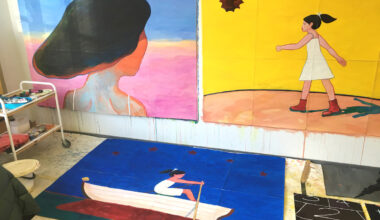
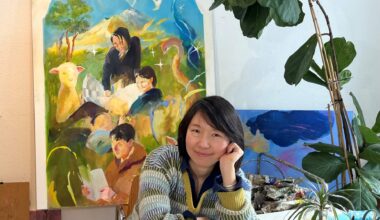
Similar to accepting Finland as a home, it took me some time to decide to become an artist. Part of this was because I wasn’t sure how to approach the competitive spirit of the field and the relationship to institutions, or lack thereof. Starting my artistic career in Helsinki has taught me that things don’t need to be so black and white.
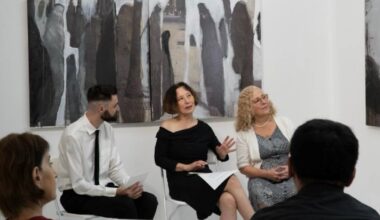
There are many artists I am grateful to call friends and collaborators who are proactive in shaping the art field through organizing punk-spirited events such as queer karaoke, open mic for short films, poetry circles, zine fests, and many more. A lot of these events are started through frustrations with hierarchy, a lack of opportunity, or sense of imbalance within creative fields.
At the same time, I feel there are a few institutions in Helsinki that have been pushing boundaries in interesting ways. These changes, although occurring in institutional time, are reflective of power structures and often consider how to be more aware of discriminatory patterns. Helsinki is a place for pioneering, as a lot of conversations and actions are still in formation.
Being based in Helsinki has shaped my artistic practise by being forgiving with experimentation. I am unsure if it is due to the city itself or because of the communities that have been formed in the time I’ve been based in Helsinki. I say this because Helsinki is a place where communities are often seasonal but can have a lasting impact on a person’s life.
Every collaboration, whether self funded or institutional, has been memorable, and I have always learned something new from each experience. Still, the most memorable moment would be seeing my first painting being exhibited in Kiasma, and the plaque next to it. I started my career with my middle name ‘Kihwa-Endale’, with the hope that one day my parents’ names (Kihwa Park and Endale Mitiku) would be seen somewhere ‘prestigious.’ Being able to fulfill this felt like both a professional and personal milestone.


Now I go with my own name, and I suppose there is something symbolic in this. In particular the timing of it, since I am currently forming my own relationship to Korea and Ethiopia. I say this in reflection of how common it is in migrant and diaspora narratives for a geography to be accessible primarily through one’s parents.
Korean Roots, Global Context.
My work is deeply informed by both my Korean and Ethiopian roots and the reconnection to these. I have become aware that the tools I use for integration and reconnection have many similarities. In both, there is a transition from who you are (or could have been) and what you are becoming.
‘There is no wisdom without love. no love without freedom. and no freedom unless we dare to walk away from what we have become.’ (a line from Elif Shafak’s Three Daughters of Eve’.)
Paradise as a concept intrigues me in tangents to understanding my roots and identity. There is an idea(l) towards which we escape, but also come home to.
The thought of me or my work representing a country makes me a bit hesitant, because ultimately my perspective comes from a third space, like a paradise, where borders are custom made.
As questions around transnationality, internet, geopolitics, and migration are embedded into my practice, the work can be flexible with its context.


Helsinki as Muse.
These days, I feel most at home oscillating between the metropolitans of Helsinki, Seoul and Addis. Each city informs and inspires my personal and professional life. Moving between these localities while being liminal and rooted has become creative material because they make me understand that my own story started before I was born, and it will continue after my departure. It makes me curious about realities that are negotiated between visibility and sentience.
Entering certain spaces where people are more open, there is more possibility to experience the juiciest parts of any place you visit. So if someone were to visit Helsinki, I’d recommend following underground art IG pages or reaching out to a favorite artist and asking for recommendations. See where that takes you!
Looking ahead.
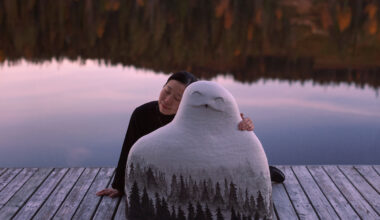
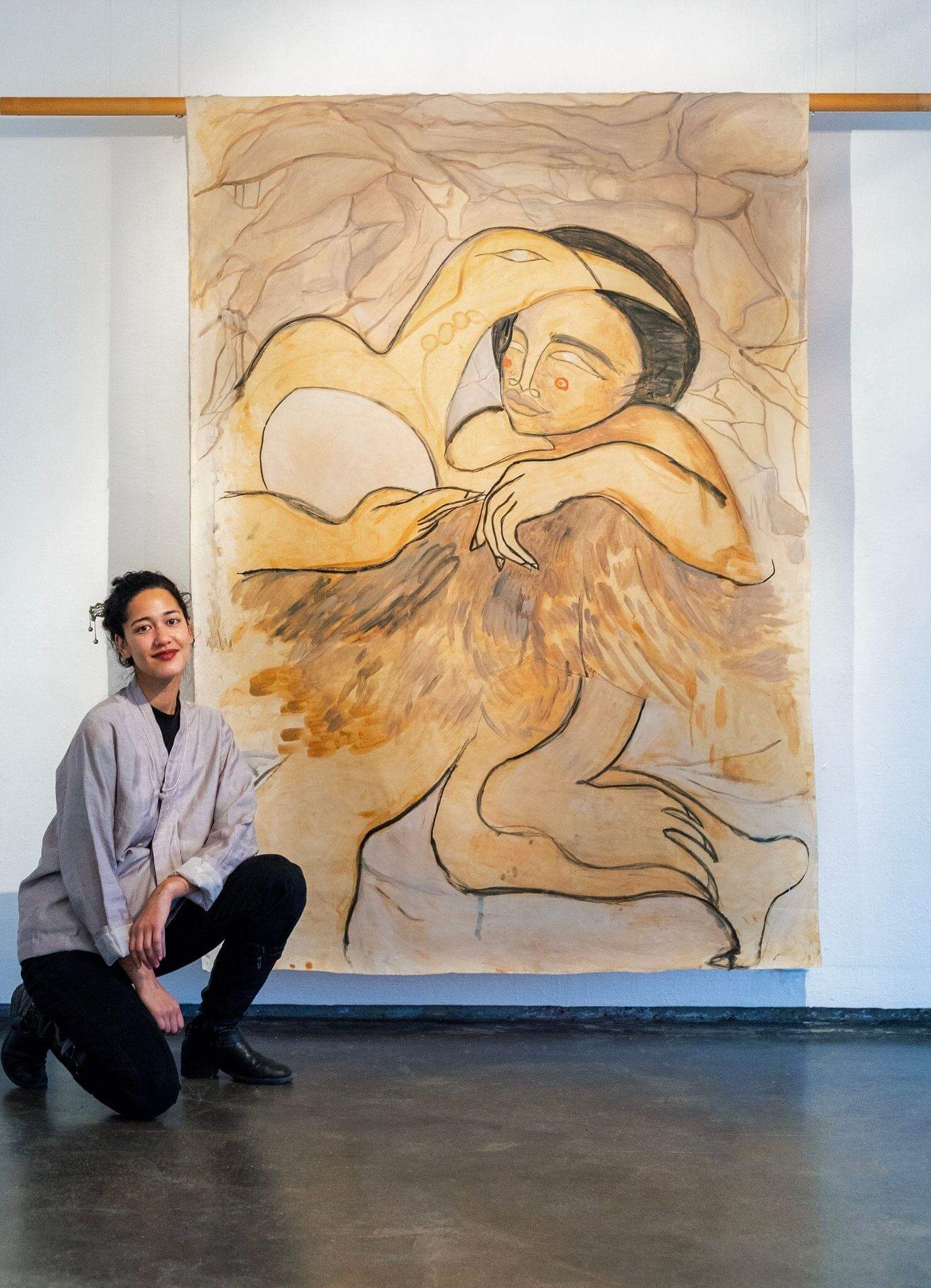
I’m currently in my second year of a three-year project titled, ‘the bird people’. Shaped by the emotional structure of 한/Han and rooted in personal experience, the project explores the entanglement of migration and imperialism. Through the clay-based paintings collected from Korea and Ethiopia, I am able to create small terrestrial landscapes that blend bodies, histories, mythologies and renarrations.


I am deeply inspired by East Asian and African mythology and philosophy. Currently my favorite philosopher is Byung-Chul Han. His books ‘The Disappearance of Rituals’ and ‘The Scent of Time’ are great sources of inspiration.
There are many, maybe too many thoughts that are embedded in it, and I am looking forward to seeing them develop.